
Lobster University Blog
Latest From The Blog (page 1)

If you want to bring an air of sophistication and celebration to your dinner table without spending hours in the kitchen, a surf and turf dinner ...

Seafood chowder: you might think it a simple, hearty seafood stew – but it’s a little more wacky (and delicious!) than that. In fact, ...
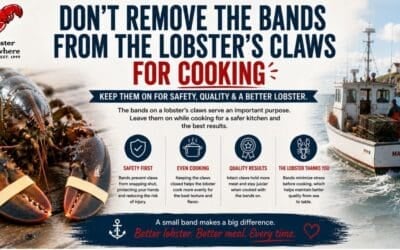
No, you should not remove the rubber bands from a lobster’s claws before you boil or steam the lobster as this could result in you getting ...
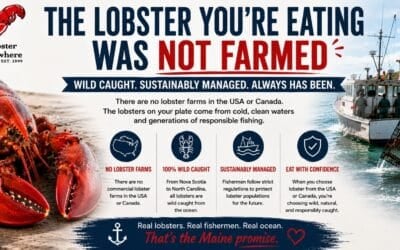
Has someone told you that you shouldn’t eat lobster because it was farmed, and that farmed lobsters are unhealthy? Was this in the USA or ...
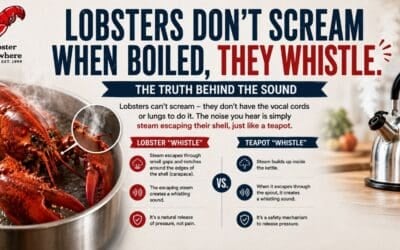
No, lobsters do not scream when they are boiled or steamed as lobsters do not have vocal cords or a voice box which are required for an actual ...

While scientists have identified roughly 260 species of marine lobsters, there’s plenty of ocean left to discover, and one of those discoveries ...
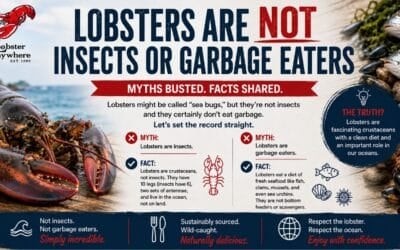
Lobsters have been nicknamed the “insects” or “cockroaches of the sea” because of their appearance, called garbage eaters ...
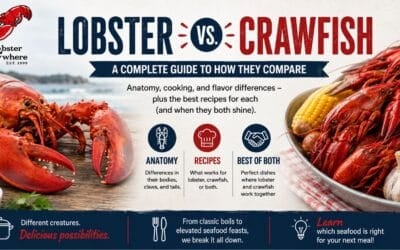
While crawfish may look like little Maine Lobsters as both have claws and cook red, they’re very different. There are more than 640 estimated ...

Stuffed lobster tails used to be off-the-menu for gluten-free eaters, but now you can enjoy this dish that combines lump crab meat, Italian ...
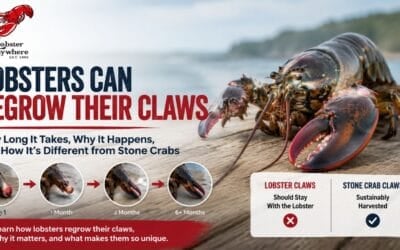
A question that comes up from time to time is if a lobster can regrow its claws. The answer is yes, lobsters do regenerate their claws, but it ...

Lobster season for Maine lobster in Maine and some parts of Canada is year round with soft shell lobster season (the peak) happening in late June ...
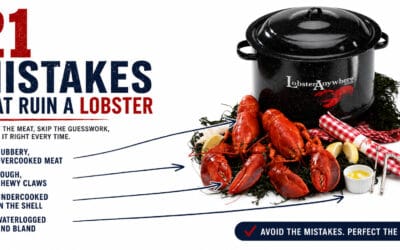
Spend a hundred bucks on live Maine lobster, then chew it like a bath toy. It happens in good kitchens every night, and it is almost never one ...

Are you looking for an easy-to-make gluten- and alcohol-free lobster bisque that is lux, rich, and gives you that oceanic flavor your taste buds ...
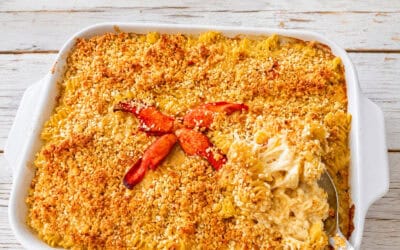
Looking for an easy-to-make and delicious gluten-free lobster mac and cheese? You’re in the right place. This recipe was custom-created for ...